
Sodium Carbonate Anhydrous: Overview and Industrial Applications
🔍 What Is Sodium Carbonate Anhydrous?
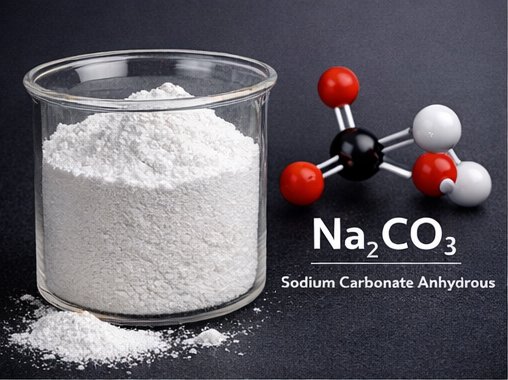
Sodium Carbonate Anhydrous, with the chemical formula Na₂CO₃ and CAS No. 497-19-8, is a widely used inorganic alkaline compound. It appears as a white or off-white, odorless crystalline powder that dissolves easily in water, producing a strongly alkaline solution.
Compared with hydrated sodium carbonate, sodium carbonate anhydrous contains no crystalline water, which gives it superior stability, precise dosing, and better control in industrial formulations and chemical processes.
In the chemical industry, sodium carbonate anhydrous is also commonly referred to as soda ash. It is one of the most important basic chemical raw materials, available in grades ranging from industrial grade to high-purity reagent grade to meet diverse application requirements.
⚗️ Basic Chemical Properties of Sodium Carbonate Anhydrous
Sodium carbonate anhydrous exhibits the following key properties:
White or off-white powder with no noticeable odor
Hygroscopic in nature and may gradually convert to hydrated sodium carbonate under humid conditions
Highly soluble in water but nearly insoluble in alcohols
Aqueous solutions are alkaline and suitable for pH adjustment
These characteristics define its typical industrial functions, including buffering capacity, alkalinity control, and serving as a reaction base in various chemical processes.
🏭 Industrial Production and Raw Material Sources
At present, industrial sodium carbonate is mainly produced through two methods:
Solvay Process
This is the most widely used industrial method. It utilizes sodium chloride (NaCl), limestone (CaCO₃), and ammonia to synthesize sodium carbonate and is the dominant production route worldwide.
Natural Mineral Extraction
Sodium carbonate can also be extracted from natural trona ore, a method commonly used in regions such as North America. The product obtained is often referred to as natural soda ash.
Thanks to abundant raw materials and relatively low production costs, sodium carbonate anhydrous remains an indispensable foundation material in the chemical industry.
🧱 Core Industrial Applications of Sodium Carbonate Anhydrous
Sodium carbonate anhydrous is widely used across multiple industries, including glass manufacturing, chemical synthesis, metallurgy, water treatment, textile dyeing, and paper production. Below is a detailed breakdown of its major industrial applications.
🏗️ Glass Manufacturing
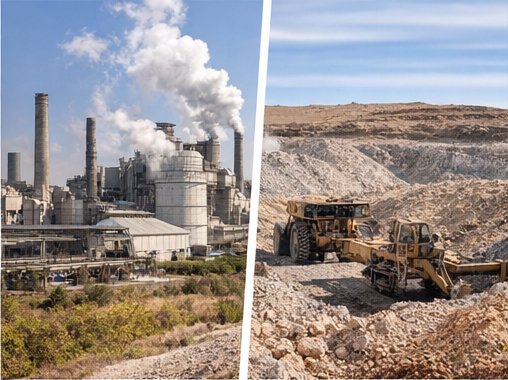
The glass industry is one of the largest downstream consumers of sodium carbonate anhydrous. Acting as a flux, it significantly lowers the melting temperature of silica (SiO₂), improving furnace efficiency and reducing energy consumption.
In glass formulations, sodium carbonate is typically melted together with quartz sand and limestone to produce soda-lime glass, which is widely used in:
Architectural glass
Container glass
Optical glass
Automotive glass
🧪 Chemical Raw Material and Alkaline Reagent
Within the chemical industry value chain, sodium carbonate anhydrous serves as a precursor or intermediate for many essential chemicals, including:
Sodium Silicate – used in adhesives, concrete strengthening agents, and coating additives
Sodium Bicarbonate – applied in cleaning products and as a buffering agent in chemical reactions
Alkaline salts such as sodium sulfate and phosphates
As a reliable alkaline source, sodium carbonate anhydrous plays a fundamental role in acid-base neutralization, buffering systems, and precipitation reactions, making it a standard reagent in both laboratories and industrial production.
⛏️ Metallurgy and Mineral Processing
In metallurgical and mineral processing industries, sodium carbonate anhydrous is mainly used as:
Smelting additive – helping remove impurities and improve slag properties during steel and non-ferrous metal extraction
pH regulator in flotation processes – adjusting slurry alkalinity to improve mineral separation efficiency
Reaction medium – providing a stable alkaline environment for certain oxidation-reduction reactions
It is especially widely used in the smelting and refining of valuable metals such as copper and aluminum, due to its buffering capacity and excellent solubility.
💧 Water Treatment Industry
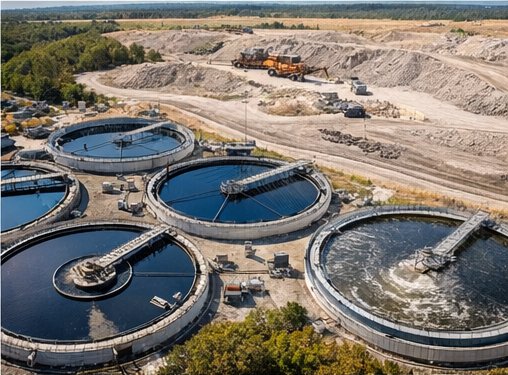
Water treatment is another major application area for sodium carbonate anhydrous, playing a vital role in both industrial wastewater treatment and municipal water systems:
pH adjustment agent – neutralizing acidic water to achieve a suitable pH range
Water softening agent – reacting with calcium and magnesium ions to form insoluble carbonates, thereby reducing water hardness
Wastewater treatment aid – used together with other chemicals to remove heavy metals and suspended solids
These applications are particularly common in circulating water systems used in power generation, papermaking, and chemical plants.
🧵 Textile and Dyeing Industry
In the textile industry, sodium carbonate anhydrous is used as an alkaline auxiliary to:
Adjust dye bath pH during pretreatment
Improve dye fixation and color fastness
Control chemical reactions between fibers and dyes during printing and dyeing processes
Its buffering ability and stable alkalinity make it an irreplaceable chemical in textile manufacturing.
📄 Paper and Pulp Industry
In papermaking, sodium carbonate anhydrous is mainly applied for:
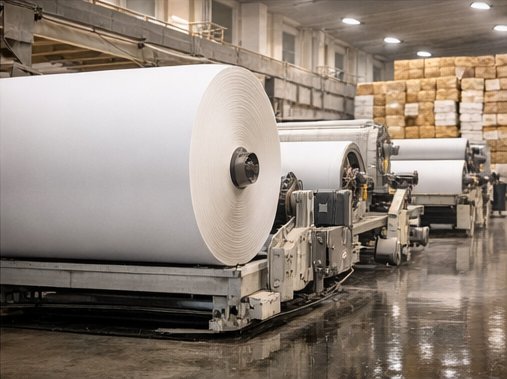
Alkalinity adjustment during pulping, facilitating fiber separation and improving pulp quality
pH buffering during bleaching processes, ensuring controlled alkaline conditions
Effluent and residue treatment, neutralizing acidic waste streams and reducing environmental impact
📦 Product Selection and Quality Standards
Depending on application requirements, sodium carbonate anhydrous is generally classified into:
Industrial Grade – for glass manufacturing, metallurgy, and water treatment
Chemically Pure (CP) / Analytical Reagent (AR) Grade – for laboratory analysis and metal surface treatment
High-Purity or Electronic Grade – for specialized applications such as electroplating and semiconductor auxiliary materials
High-purity products (typically ≥99.5%) are preferred in impurity-sensitive chemical synthesis and precision industries.
⚠️ Safety and Storage
Sodium carbonate anhydrous is alkaline and may cause irritation to the skin and eyes. During industrial use, appropriate personal protective equipment (PPE)—such as safety goggles and gloves—should be worn, and excessive dust inhalation should be avoided.
For storage, it should be kept dry, sealed, and away from moisture to prevent caking or reaction with atmospheric CO₂, which may lead to the formation of sodium bicarbonate.
✅ Conclusion
As a cost-effective and highly versatile basic chemical raw material, sodium carbonate anhydrous plays a critical role in modern industrial production. From glass manufacturing and chemical synthesis to water treatment, textile dyeing, papermaking, and metallurgy, its importance spans the entire industrial value chain, making it an essential product for global chemical markets.
You can place an order or ask any questions, please feel free to contact at feronia@wit-stone.com | +86-15655559799