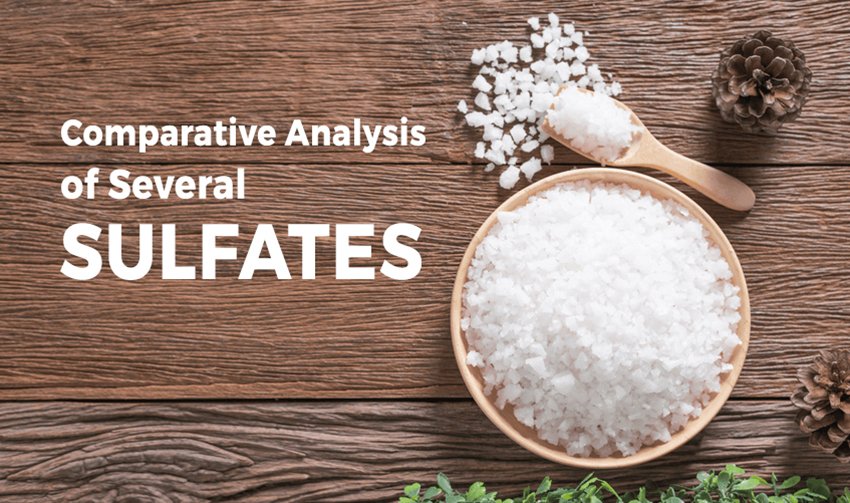
Sulfate salts are a widely used class of chemical compounds in many industries. Three common examples are ferrous sulfate (FeSO₄), zinc sulfate (ZnSO₄), and copper sulfate (CuSO₄). Despite having the same anionic part (SO₄²⁻), these compounds differ significantly in chemical properties, appearance, and applications. This article will compare ferrous sulfate, zinc sulfate, and copper sulfate to help clarify their differences and support industrial decision-making.
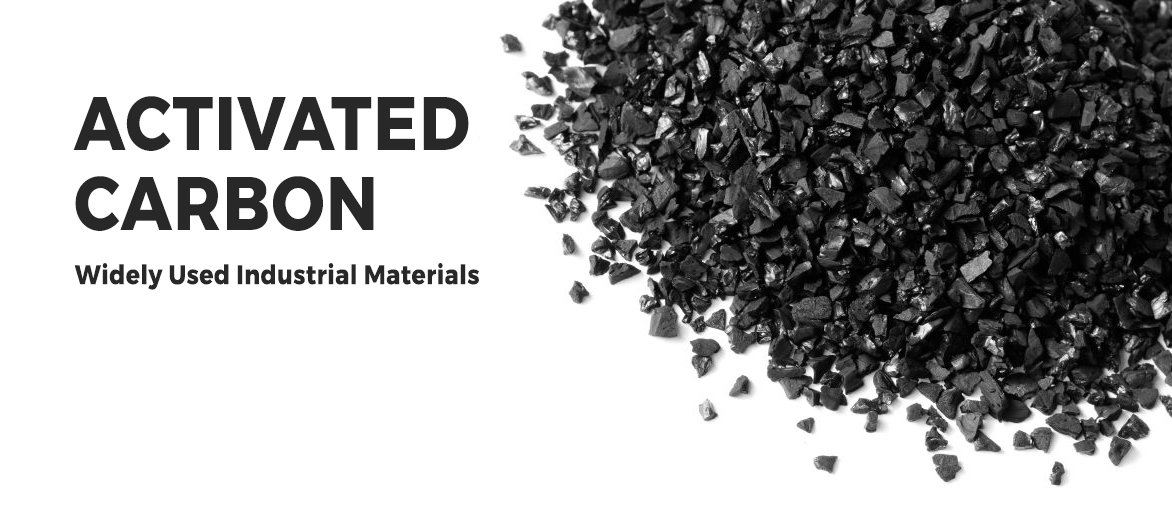
Activated carbon—often derived from renewable coconut shells—is one of the most versatile and widely used adsorbents in modern industry. Known for its extremely high surface area, porous structure, and excellent chemical stability, activated carbon (also referred to as activated charcoal) has found applications ranging from water and air purification to precious metal recovery and chemical processing.

Barium sulfate (BaSO₄) is a white, crystalline inorganic compound known for its exceptional stability and unique physical properties. Widely used across various industries, barium sulfate is indispensable due to its chemical inertness, high density, and resistance to acids. This article provides an in-depth look at barium sulfate, focusing on its properties, industrial applications, and safety considerations.

Ensuring the safety and quality of water for drinking, industrial, and environmental purposes necessitates effective water treatment processes. Here are ten essential chemicals commonly employed in water treatment, along with their benefits and applications.

From the furnaces of ancient Egyptian artisans to Tesla’s gigafactories, from Nile River plant ashes to Wyoming’s underground deposits—soda ash represents a timeless epic of human ingenuity and nature’s bounty.As a key player in the global supply chain, we provide more than just a product—we are committed to advancing cleaner production technologies and circular economy solutions.

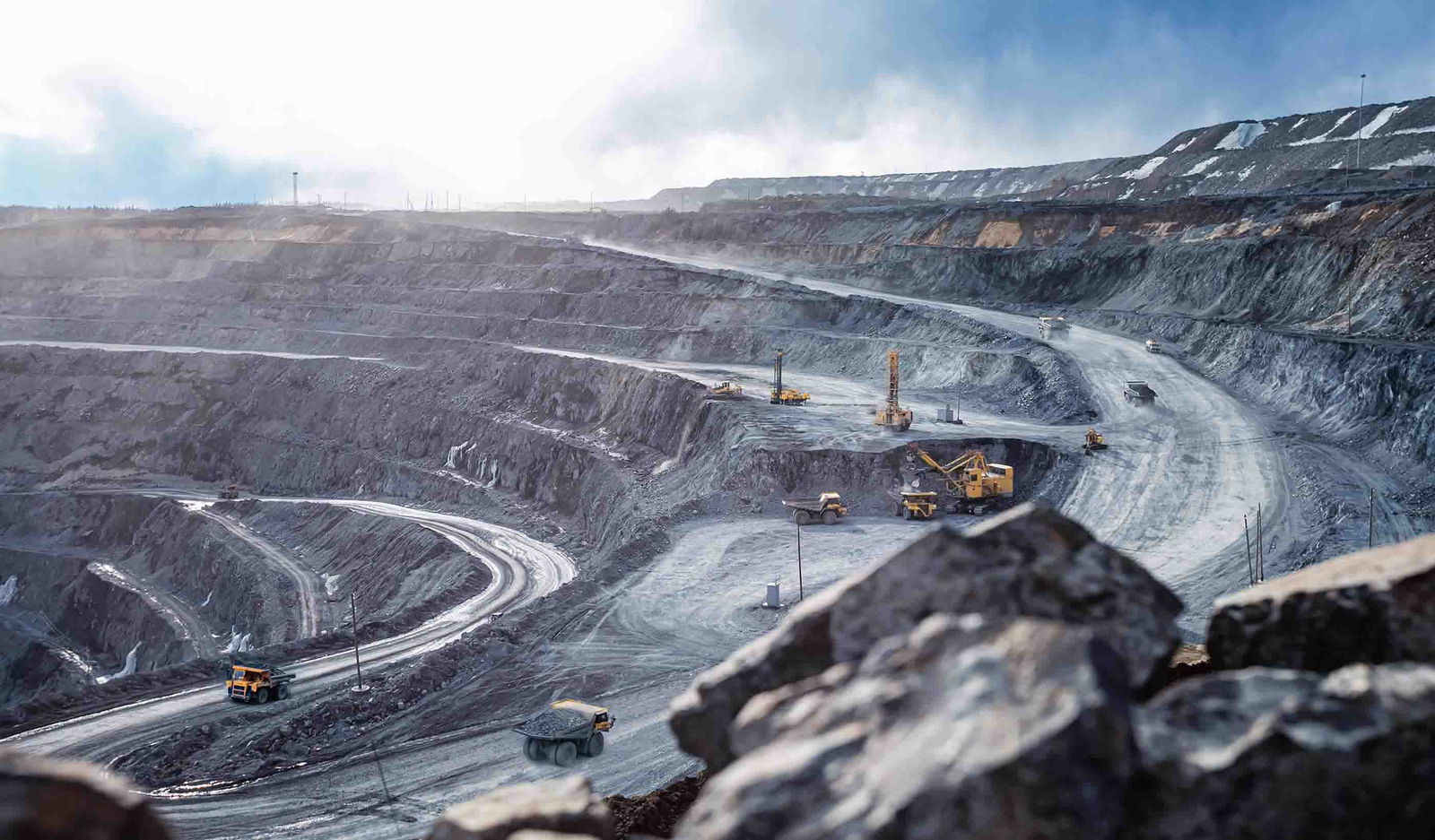
The mining industry relies heavily on chemicals to extract and process valuable minerals efficiently. These chemicals play critical roles in flotation, leaching, refining, and water treatment processes. Below is a list of the top 10 chemicals commonly used in mining operations, along with their applications and advantages.

As industries like electric vehicles, renewable energy, and electronics experience rapid growth, the need for materials such as lithium, cobalt, nickel, and copper has surged.The global mining industry is on the brink of a major transformation. However, this escalating demand comes with significant challenges, including environmental concerns, social responsibility, and the imperative for sustainable practices. As the mining sector adapts to these pressures, the industry's future will depend on

Give us your needs

Please provide your details below and we will contact you within 24 hours.